Loading results…
Table E5
CSV ↓Component ablations across person counts
1.3B · 60/20/20 inputs with 2/3/4 people. Training uses at most two people.
Stage 1 unless noted. Full refinement adds 12 h of real two-person data and 50K updates.
AFCA: Audio-Face Cross Attention. CM: concatenated multi-person clips. Sync-C*: speaking-phase lip-sync confidence ↑. ΔResp: listening-phase eye-motion gap to ground truth ↓.
Table E6
CSV ↓Training-data ablations
1.3B · 2–4 people. Superscripts mark training stage; real-data refinement uses 12 h / 50K updates.
RS: real single-person; CM: concatenated multi-person; RM: real multi-person data (two-person conversations). Sync-C*: speaking-phase lip-sync confidence ↑. ΔResp: listening-phase eye-motion gap to ground truth ↓.
Table E7
CSV ↓Dataset size at a fixed 5,000-update budget
1.3B · 5,000 refinement updates per run. Both initializations use the same subset at each data size.
RS: real single-person pretraining; CM: concatenated multi-person clips. Sync-C*: speaking-phase lip-sync confidence ↑. ΔResp: listening-phase eye-motion gap to ground truth ↓.
1.3B · Same sampling seed and samples at each update. Repeated clips count once toward the unique-data axis.
Figure E8
PDF ↗Progress through a 24-hour unique-video pool
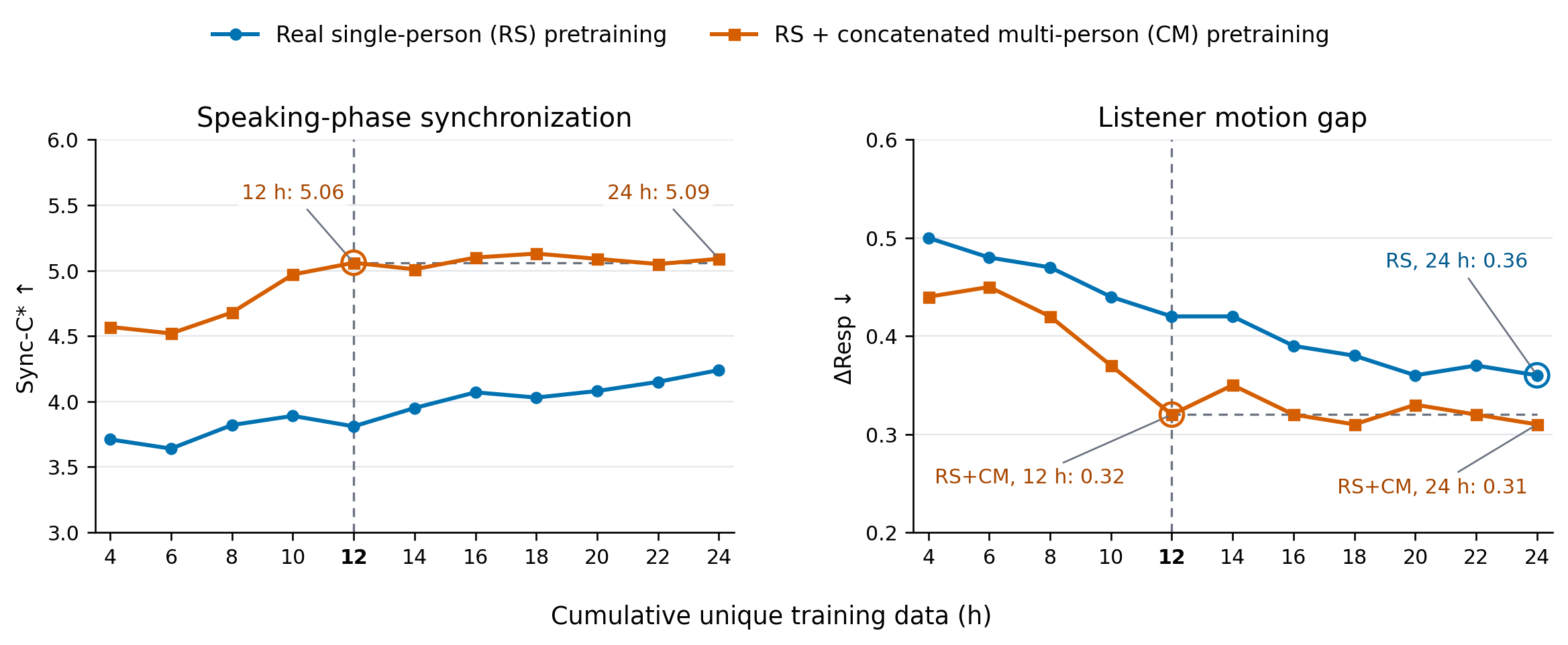
Table E8 · All 11 learning-curve checkpoints
Table E9
CSV ↓Main metrics and human preference
Difference = Ours − MultiTalk (2 people), or Ours − Playmate2 (3/4 people). Positive Sync-C* / preference and negative ΔResp favor Ours. Preference differences use percentage points (pp).
Calculation
10,000 bootstrap resamples; 2.5th/97.5th percentiles. Paired inputs for objective metrics; raters × inputs for preference votes.
Table E10
CSV ↓Agreement with individual human choices
100 preference votes per person count. A match means the chosen method has the lowest ΔResp; tied minima count as matches.
Votes can come from different raters on the same input. ΔResp is the listener eye-motion gap to ground truth.
Reviewer comment
OpenReview ↗